Burglar Alarm Installation UK Guide

As Gary Pearce, a seasoned expert in CCTV, WiFi, Data Cabling and Home Security installations based in the UK, I've seen firsthand how effective burglar alarms can be in protecting homes and businesses. In this comprehensive guide, we'll cover everything you need to know about burglar alarm installation in the UK.
A professionally installed burglar alarm is one of the most effective deterrents against property crime. Statistics from the UK Home Office consistently show that homes without a visible security alarm are up to three times more likely to be targeted by burglars than those with one. For British homeowners, choosing the right alarm system and ensuring it is installed correctly is essential for both peace of mind and compliance with insurance requirements.
Types of Burglar Alarm Systems
Wired Alarm Systems
Wired alarm systems have been the standard in UK homes for decades. They consist of sensors connected to a central control panel via physical cables, typically CAT5e or six-core alarm cable. The control panel is usually sited in a loft, understairs cupboard, or garage. Wired systems are inherently reliable because there is no risk of radio frequency interference or battery failure in the sensors.
A wired alarm system conforming to BS EN 50131 Grade 2 is the minimum standard accepted by most UK home insurers. Grade 2 systems provide protection against intruders using readily available tools and include features such as tamper detection and a self-contained power supply with battery backup.
Wireless Alarm Systems
Wireless alarm systems have become increasingly popular in UK homes over the past decade. Sensors communicate with the control panel using 868 MHz radio frequency, which offers better range and lower interference than the 2.4 GHz band used by WiFi. Wireless systems are significantly faster to install, making them ideal for rented properties, flats, and homes where minimising disruption is a priority.
Modern wireless systems from brands such as Texecom, Pyronix, and Yale offer encryption and anti-jamming technology. The main ongoing cost is battery replacement, with most sensor batteries lasting between two and three years.
Monitored Alarm Systems
Monitored alarm systems are connected to a 24-hour alarm receiving centre (ARC). When the alarm is triggered, the ARC attempts to contact the keyholder. If there is no response, they dispatch a security response unit or notify the police, depending on the service level. Monitoring subscriptions in the UK range from GBP 15 to GBP 35 per month, and many insurers offer premium reductions of up to 15 percent for monitored systems.
Smart Alarms
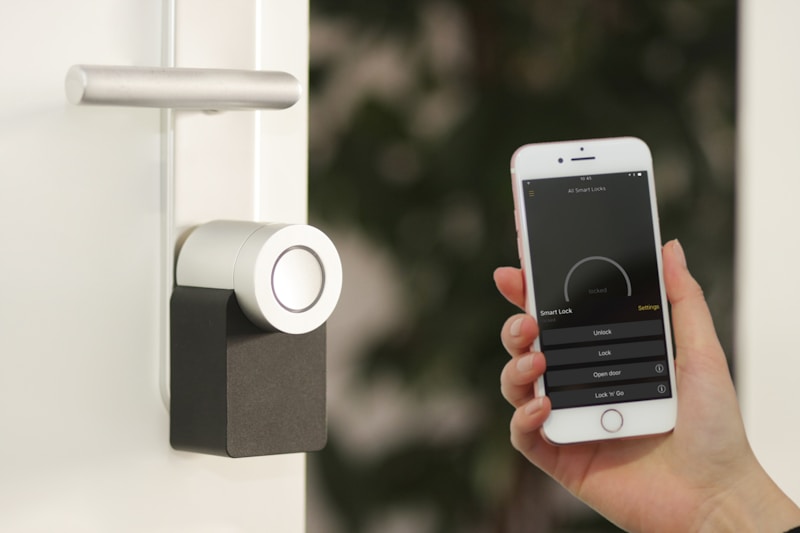
Smart alarms connect to your home WiFi network and allow control via a smartphone app. Features typically include remote arm and disarm, push notification alerts, geofencing, and integration with smart home platforms. Smart alarms are generally Grade 1 systems, which means they provide a basic level of protection. For higher security, look for smart alarms that also meet Grade 2 standards.
Installation Process
Site Survey
A professional installation begins with a thorough site survey. The installer will assess the property layout, identify vulnerable entry points, check for potential signal issues in wireless systems, and plan cable routes for wired systems. The survey typically takes 30 to 60 minutes for a standard three-bedroom semi-detached house.
Equipment Selection
Based on the site survey, the installer will recommend specific equipment. A typical residential system includes a control panel, external sounder, internal sounder, magnetic door contacts on all ground floor external doors, PIR motion detectors in hallways and landing areas, and panic buttons in bedrooms if requested. For a three-bedroom house, expect six to ten detector zones.
Cabling and Mounting
For wired systems, the installer runs alarm cable from each sensor location back to the control panel. Cables are hidden under floorboards, through cavity walls, and in loft spaces. The external sounder is mounted at high level, ideally at least 2.5 metres above ground level and away from windows to prevent tampering. All mounting positions should follow the manufacturer's specifications to avoid false alarms.
Commissioning and Testing
Once all components are installed, the system is powered up and programmed. Each zone is tested individually, and the installer checks that the external sounder activates correctly. The keyholder is shown how to use the system, including setting and unsetting codes, testing, and isolating faulty zones. A full test log should be completed and kept with the system documentation.
Costs
| System Type | Equipment Cost (GBP) | Installation (GBP) | Total (GBP) |
|---|---|---|---|
| Basic Wireless Alarm | 150 - 300 | 100 - 200 | 250 - 500 |
| Grade 2 Wired Alarm | 300 - 600 | 500 - 1,200 | 800 - 1,800 |
| Monitored Alarm (Grade 2) | 500 - 1,000 | 600 - 1,500 | 1,100 - 2,500 |
| Smart Alarm System | 200 - 500 | 150 - 400 | 350 - 900 |
| Annual Maintenance | - | - | 80 - 150 |
| Monitoring Subscription | - | - | 180 - 420 per year |
British Standards and Regulations
All burglar alarm installations in the UK should comply with BS EN 50131, which defines the grades of security. Grade 1 offers basic protection against opportunist thieves. Grade 2 is the minimum for insurance compliance in most residential properties. Grade 3 protects against knowledgeable intruders with a range of tools. Grade 4 is for high-security applications.
Electrical work associated with alarm installation must comply with BS 7671, the IET Wiring Regulations. Installers registered with the NSI or SSAIB are certified to meet these standards, and many insurers require NSI or SSAIB certification for the alarm to be recognised in the policy.
Key Takeaways
- Burglar alarms are a vital component of any home security system.
- Professional installation ensures optimal performance and reliability.
- Costs vary depending on complexity, location, and type of alarm.
- Choose a Grade 2 system as a minimum for insurance compliance.
- Always use an NSI or SSAIB registered installer for monitored systems.
Frequently Asked Questions
What types of burglar alarms are available?
There are two main categories of burglar alarms in the UK: monitored and non-monitored. Monitored systems connect to a 24/7 central monitoring station, which can contact authorities or the homeowner if an alert is triggered. Non-monitored systems simply alert the occupants. Within these categories, you can choose between wired, wireless, and smart alarm systems, each with different security grades.
How much do burglar alarm installations cost?
The average cost of installing a burglar alarm in the UK ranges from GBP 300 to GBP 1,500 depending on the type and complexity. A basic wireless system starts at around GBP 250, while a fully wired Grade 2 system with monitoring can cost up to GBP 2,500. Monitored systems typically require an ongoing subscription of GBP 15 to GBP 35 per month.
What factors affect the installation cost?
Property size, number of sensors, whether it is a new build or retrofit, system grade, and whether monitoring is included all impact costs. Listed buildings and properties with solid stone walls can increase installation costs due to the difficulty of running cables. Wireless systems are generally cheaper to install because labour time is significantly reduced.
Do I need planning permission for burglar alarms?
Planning permission is not usually required for burglar alarm installation on residential properties in the UK. However, if the external sounder is to be mounted on the front elevation of a listed building or in a conservation area, you should check with your local planning authority before proceeding. Some conservation areas have restrictions on external equipment.
How long does installation take?
A basic wireless alarm system can be installed in two to four hours. A wired Grade 2 system in a typical three-bedroom semi-detached house takes one to two days. Larger properties or complex installations may take three to four days. The installer will provide a specific time estimate following the site survey.
Written by Gary Pearce. Need professional advice? Check our services or call 07830 638 337.
Article by Gary Pearce — Need help? Call 07830 638 337 or visit our services page