What type of alarm system does my UK home need?

Planning your home security setup requires careful consideration of your specific needs, property layout, and budget. This guide answers common questions about what type of alarm system does my UK home need? with practical UK-focused advice from an experienced installer.
Gary Pearce, a certified UK security and data cabling installer with 15+ years of experience serving Surrey and the South East, provides expert advice on this topic.
What type of alarm system does my UK home need?
The statistics are clear: UK homes without visible security measures are up to 5 times more likely to be burgled. Key deterrents include:
- Security lighting: PIR floodlights with minimum 700 lumens eliminate hiding spots around entry points
- Visible alarms: external sounder box signals active protection, monitored systems response reduces risk
- Smart doorbells: 1080p video with night vision and two-way audio lets you screen visitors remotely
- Secure fencing: 1.8m side gates prevent rear access, gravel paths create noise
For UK rental properties, always agree permanent changes with the landlord first. The most effective deterrents are visible from the street — burglar's decision-making typically takes under 60 seconds. A combination of lighting, alarm, and CCTV reduces risk more than any single measure.
What should I know about alarm for UK homes?
PIR motion sensors are the most common detection technology in UK home security systems. How they work and placement tips:
- Detection method: senses infrared heat changes from moving people or animals
- Range: typically 10-15m with 90-degree detection pattern
- Pet immunity: ignore animals up to 25kg — essential for UK pet owners
- Placement: 2-2.5m high, avoid direct sunlight, radiators, and air vents
For UK homes, corner mounting gives the widest coverage area. Avoid pointing PIRs at busy roads (constant false triggers) or heat sources (radiators, boilers, ovens). Dual-technology sensors (PIR + microwave) reduce false alarms significantly — both technologies must trigger simultaneously. Wireless PIR sensors run on batteries lasting 2-5 years. Wired sensors are more reliable but require cabling. Test PIR coverage with the walk test mode during installation to eliminate blind spots.
What should I know about intruder alarm for UK homes?
Security lighting is one of the most cost-effective UK home security measures. Options and guidance:
- PIR floodlights: motion-activated, 700-2000 lumens, GBP 15-50, simple installation
- Dusk-to-dawn: on all night, 300-800 lumens, provides continuous illumination
- Smart lighting: app-controlled, programmable schedules, integrates with alarm system
- Solar lighting: no wiring, lower brightness, unreliable in UK winter
PIR floodlights with LED bulbs are the most effective for UK homes. Position at corners of buildings to illuminate two sides. Avoid triggering on passers-by — angle the PIR sensor to limit detection to your property. Dusk-to-dawn security lights on garage and garden buildings ensure continuous overnight illumination. Smart lights that simulate occupancy patterns are effective deterrents when you are away. For front gardens, warm-white lighting (3000K) is more welcoming and neighbour-friendly than harsh cool-white.
Key Takeaways
- For expert home security advice tailored to your UK property, consult a qualified professional.
- Always verify that equipment and installations comply with relevant British Standards and UK regulations.
- Invest in quality materials and professional installation.
- Regular maintenance and testing ensure your system continues to perform as intended.
- Gary Pearce has 15+ years of experience installing these systems across Surrey and the South East.
Related Guides
Written by Gary Pearce. Need professional advice? Check our services or call 07830 638 337.
The most effective deterrents are visible from the street — burglar's decision-making typically takes under 60 seconds. A combination of lighting, alarm, and CCTV reduces risk more than any single measure.
For UK rental properties, always agree permanent changes with the landlord first. The most effective deterrents are visible from the street — burglar's decision-making typically takes under 60 seconds. A combination of lighting, alarm, and CCTV reduces risk more than any single measure.
What should I know about alarm for UK homes?
PIR motion sensors are the most common detection technology in UK home security systems. How they work and placement tips:
- Detection method: senses infrared heat changes from moving people or animals
- Range: typically 10-15m with 90-degree detection pattern
- Pet immunity: ignore animals up to 25kg — essential for UK pet owners
- Placement: 2-2.5m high, avoid direct sunlight, radiators, and air vents
For UK homes, corner mounting gives the widest coverage area. Avoid pointing PIRs at busy roads (constant false triggers) or heat sources (radiators, boilers, ovens). Dual-technology sensors (PIR + microwave) reduce false alarms significantly — both technologies must trigger simultaneously. Wireless PIR sensors run on batteries lasting 2-5 years. Wired sensors are more reliable but require cabling. Test PIR coverage with the walk test mode during installation to eliminate blind spots.
What should I know about intruder alarm for UK homes?
Security lighting is one of the most cost-effective UK home security measures. Options and guidance:
- PIR floodlights: motion-activated, 700-2000 lumens, GBP 15-50, simple installation
- Dusk-to-dawn: on all night, 300-800 lumens, provides continuous illumination
- Smart lighting: app-controlled, programmable schedules, integrates with alarm system
- Solar lighting: no wiring, lower brightness, unreliable in UK winter
PIR floodlights with LED bulbs are the most effective for UK homes. Pos Here are some additional practical tips for enhancing home security through CCTV and other measures in the UK:
Consider installing dummy cameras to deter intruders. Placing a few fake CCTV cameras around your property can make it appear that you have comprehensive surveillance, which may discourage burglars from targeting your home.
If you opt for real CCTV cameras, ensure they are vandal-resistant and weatherproof if mounting them outdoors. Consider cameras with infrared night vision for 24/7 monitoring capabilities.
For the best coverage, aim to have at least one camera on each level of your home, facing entry points like doors and windows. Store footage securely using cloud storage or an external hard drive.
Keep cameras' fields of view in mind - avoid pointing them into neighbors' yards or private areas. UK data protection laws require you to inform neighbors if they will be visible on the cameras.
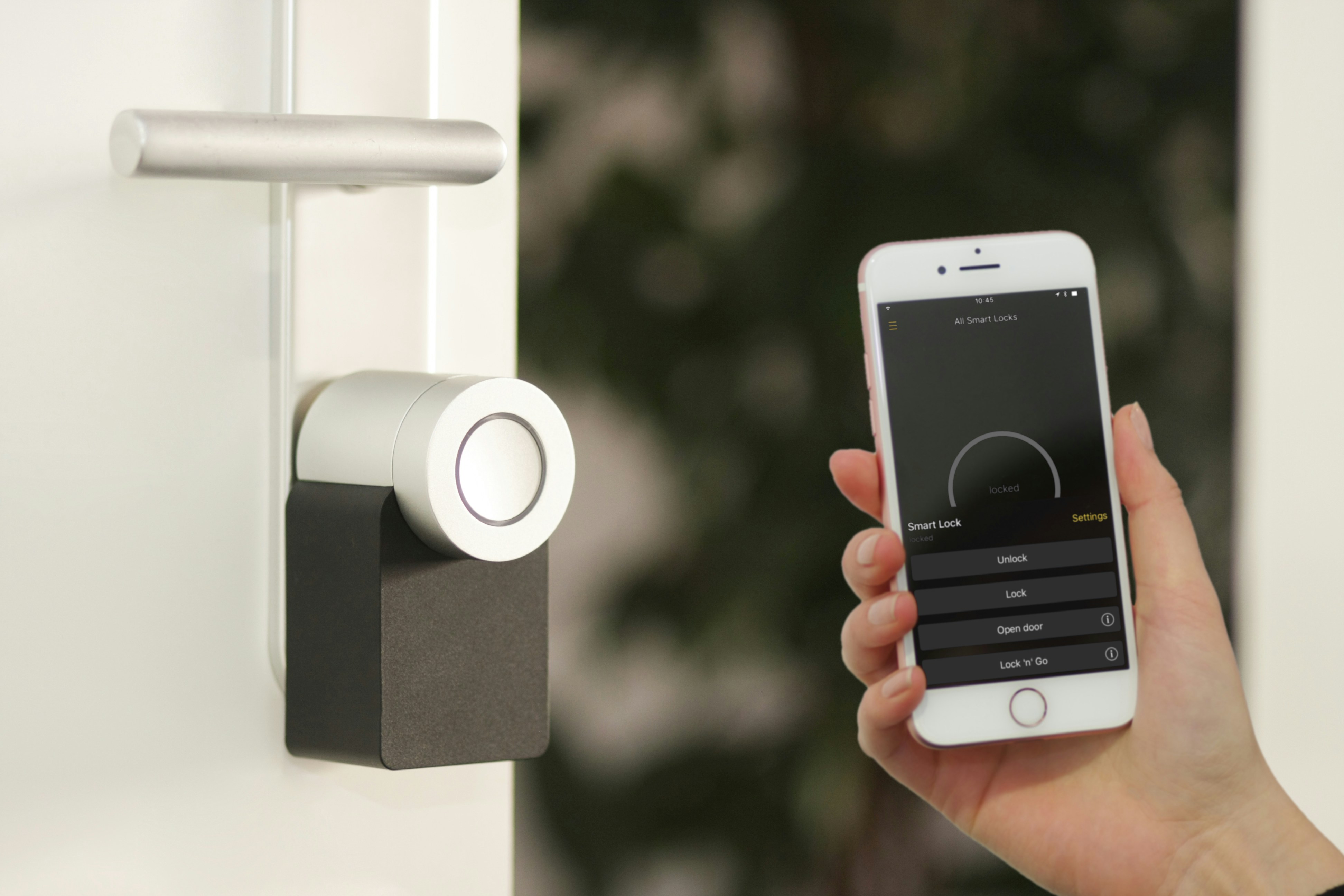
In addition to CCTV, consider installing security grilles on your windows and a solid door with a strong lock on your main entrance. Use smart locks for keyless entry.
Lock all your doors and windows when leaving home or at night, even if you're just popping out for a short time. Use timer switches to turn lights on at night or TV's to make it appear someone is home.
Joining a neighborhood watch scheme can provide added protection through collective vigilance. Reporting suspicious activity to local authorities is crucial.
Regularly review your home security setup - update passwords, check alarm systems are functioning properly, and assess if any new vulnerabilities have emerged. Conduct surprise "intruder tests" to gauge the effectiveness of your security measures.
Ultimately, combining CCTV with other common sense security practices tailored to your specific situation will provide the most robust protection for your UK home against burglaries and intrusions. Let me know if you need any other suggestions!
Article by Gary Pearce — Need help? Call 07830 638 337 or visit our services page