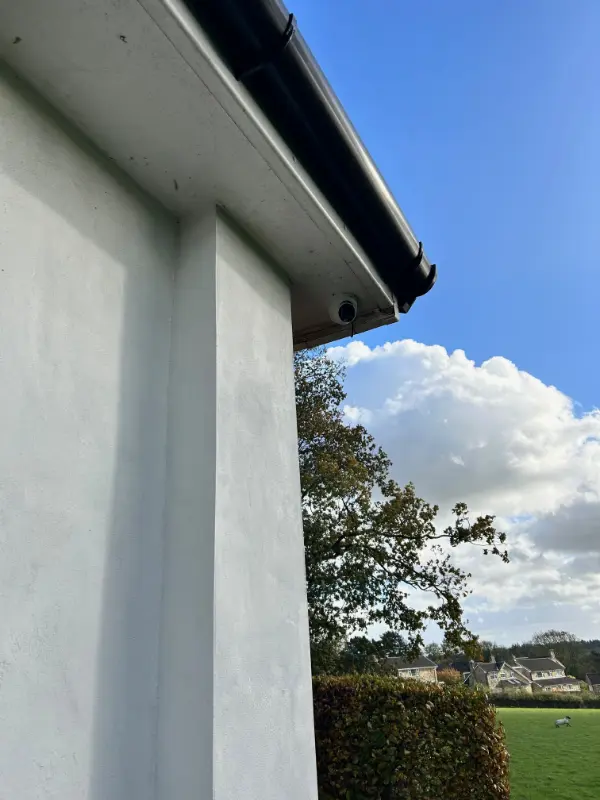
CCTV systems for UK farms and agricultural properties

📅 Published: May 2026 ✅ Last updated: 26 May 2026 ⏱ 8 min read 🇬🇧 UK Home Guide
CCTV systems are an essential security measure for UK farms and agricultural properties. A well-designed system can deter crime, protect valuable assets, and provide evidence in case of incidents. The key considerations when installing CCTV on a farm include coverage area, camera types, storage capacity, and compliance with relevant British Standards.
When choosing cameras, consider the following comparison:
| Camera Type | Price Range (GBP) |
|---|---|
| Dome Cameras | £80-150 per camera |
| Bullet Cameras | £60-120 per camera |
| PTZ Cameras | £200-400 per camera |
The main advantages of CCTV systems for farms are:
- Deterrent against crime
- Evidence gathering in case of incidents
- Monitoring of livestock and property
However, there are some potential drawbacks to consider:
- Initial setup costs
- Ongoing maintenance and storage fees
- Privacy concerns for employees and neighbours
When installing a farm CCTV system, follow this checklist:
- Assess the coverage area and identify key locations for cameras
- Choose appropriate camera types based on environment and requirements
- Select a reliable recorder with sufficient storage capacity
- Ensure compliance with British Standards (BS EN 50132, BS 8233)
- Register with the ICO and adhere to GDPR guidelines
FAQ:
Q: What are the main British Standards that apply to farm CCTV systems? A: The two most relevant standards are:
- BS EN 50132: This standard specifies requirements for the design, installation, and monitoring of CCTV systems. It covers issues such as image quality, lighting levels, camera positioning, and recording duration.
- BS 8233: This standard deals with sound insulation and noise control in buildings. While not directly related to CCTV, it is important when installing speakers or alarms that will produce noise.
Q: How much does it typically cost to install a farm CCTV system? A: The total cost of a farm CCTV installation depends on several factors including the number of cameras needed, their specifications, and the storage solution chosen. As per the table above, you can expect to pay between £80-150 for a single dome camera or bullet camera. PTZ cameras are more expensive at £200-400 each due to their advanced features.
Q: What is the legal framework governing farm CCTV systems in the UK? A: In the UK, all CCTV systems must be registered with the Information Commissioner's Office (ICO). Failure to do so can result in fines of up to £5000. Additionally, any CCTV system that captures personal data (e.g. employees or visitors) is subject to the General Data Protection Regulation (GDPR). This means you must obtain consent for recording, keep records of processing activities, and provide individuals with access to their data.
Q: What are some best practices when positioning farm CCTV cameras? A: When placing cameras on a farm, aim to cover all key areas such as entrances/exits, storage buildings, animal enclosures, and machinery sheds. Avoid pointing cameras directly at neighbours' properties or private areas. Ensure that camera angles do not invade the privacy of employees or visitors. Follow the guidelines in BS EN 50132 for proper lighting and image quality.
Q: How long should CCTV footage be stored? A: The length of time to retain CCTV recordings depends on the type of data captured and its relevance to your business operations. Under GDPR, personal data can only be retained for as long as necessary. For most farms, this means keeping footage for a minimum of 31 days in case of incidents or disputes. However, you may need to retain certain data for longer periods if required by law (e.g. health and safety records). Always keep detailed logs of your data processing activities.
By following these guidelines and best practices, you can ensure that your farm CCTV system is effective, legal, and compliant with UK standards. With the right setup, a CCTV system will provide valuable security benefits while protecting your assets and employees.
Related Guides
- CCTV for garages, sheds, and outbuildings: UK guide
- Infrared vs ColourVu vs starlight: CCTV night vision compared
- Temporary CCTV for construction sites: UK security guide
- Complete CCTV installation cost guide for UK homes 2026
About the Author
Gary Pearce is a certified UK CCTV installer with over 15 years of experience installing home and business security systems across Surrey and the South East. He provides practical, compliance-focused advice to help UK homeowners and businesses get the best possible CCTV protection.
Written by Gary Pearce — certified UK CCTV installer with 15+ years of experience. Need professional advice? Check our services or call 07830 638 337.
When positioning farm CCTV cameras, it's crucial to consider the specific needs of your agricultural property. Key areas to focus on include entrances and exits, storage facilities, livestock enclosures, and any vulnerable points where equipment or assets are stored. British Standard BS 8418 provides guidance on the design, installation, commissioning, and maintenance of CCTV systems for securing premises against unauthorized intrusion.
To maximize the effectiveness of your system, position cameras at strategic heights and angles to provide a clear view of these critical areas without infringing on the privacy of employees or neighbors. Be aware that installing covert cameras requires additional legal considerations and must be done carefully to avoid breaching data protection laws.
When it comes to camera types, infrared dome cameras are often a good choice for farms as they can operate effectively in low-light conditions, making them suitable for monitoring livestock enclosures at night. Bullet cameras can also be useful, especially when mounted externally to provide a clear view of the perimeter. PTZ (pan/tilt/zoom) cameras offer greater flexibility and can be remotely controlled to cover multiple areas.
Storage is another crucial consideration when installing farm CCTV systems. Ensure that you have sufficient storage capacity to record footage for at least 30 days, as specified by British Standard EN 50132. This will allow you to review any incidents or suspicious activity in detail. It's also important to consider the security of your stored data and comply with GDPR guidelines. If your system captures personal data, ensure that you have appropriate measures in place to protect this information.
In terms of cost, a basic farm CCTV installation might start at around £2,000 for 4-6 cameras, including recording equipment and installation. More advanced systems with higher-resolution cameras, longer storage periods, and additional features such as remote access and alarm integration could easily exceed £10,000. It's essential to work with an experienced security provider who understands the specific requirements of agricultural properties to ensure that you get the best system for your needs.
In conclusion, investing in a well-designed CCTV system can provide valuable peace of mind for UK farmers and help protect their valuable assets from crime. By following best practices outlined in British Standards and adhering to legal guidelines, you can maximize the benefits of your farm's CCTV system while minimizing potential risks. With ongoing maintenance and regular reviews, your CCTV system will continue to serve your property well for years to come.
Gary Pearce, UK security installer