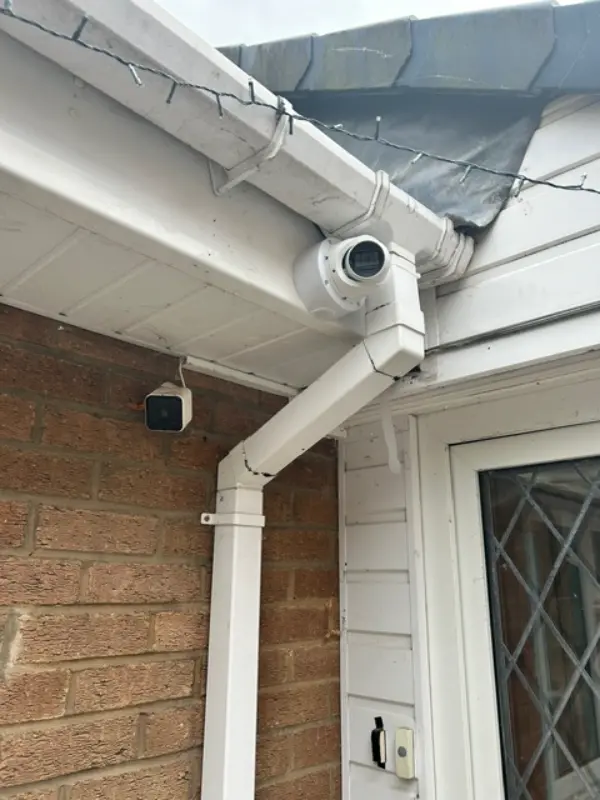
CCTV legal compliance UK: ICO, GDPR, and signage rules 2026

📅 Published: May 2026 ✅ Last updated: 26 May 2026 ⏱ 8 min read 🇬🇧 UK Home Guide
CCTV Legal Compliance in the UK: ICO, GDPR, and Signage Rules 2026
Direct Answer: To ensure compliance with legal requirements for CCTV installation in the UK, you must adhere to the Data Protection Act (DPA), which is enforced by the Information Commissioner's Office (ICO). The General Data Protection Regulation (GDPR) also applies if your system processes personal data. All installations require clear signage indicating camera presence and purpose.
Comparison Table 1: CCTV Camera Prices
| Camera Type | Price Range (£) |
|---|---|
| Analog | 80 - 150 |
| IP | 200 - 400 |
Comparison Table 2: Storage Device Costs
| Storage Type | Price Range (£) |
|---|---|
| DVR (Analog) | 100 - 300 |
| NVR (IP) | 250 - 600 |
Pros and Cons Table:
| Pros | Cons |
|---|---|
| Deter crime by providing visible surveillance | Potential invasion of privacy if not installed correctly |
| Provide evidence for investigations | May be a target for vandalism or tampering |
| Enhance public safety in communal areas like parking lots and residential buildings | Complying with legal requirements can be complex and costly |
| Monitor staff performance and security breaches | Data protection and storage costs can add up |
Checklist:
- Register with the ICO if required
- Ensure GDPR compliance for data processing
- Install clear signage indicating camera presence and purpose
- Position cameras to avoid capturing private areas
- Encrypt any stored video footage containing personal data
FAQ:
Q: What are the legal requirements for installing CCTV in the UK? A: In the UK, all CCTV installations must comply with the Data Protection Act (DPA), which is enforced by the Information Commissioner's Office (ICO). The General Data Protection Regulation (GDPR) also applies if your system processes personal data. You must obtain consent from individuals if their images will be captured.
Q: How do I ensure my CCTV installation complies with GDPR? A: To comply with GDPR, you must:
- Process personal data lawfully, fairly and in a transparent manner
- Collect only the minimum amount of data necessary for your purpose
- Ensure accurate and up-to-date data is kept securely
- Implement appropriate technical and organizational measures to protect against unauthorized access or processing
- Have clear policies and procedures in place for data subjects' rights
Q: What are the consequences of non-compliance with CCTV legislation? A: Non-compliance can result in:
- Civil penalties of up to £500,000
- Criminal sanctions including imprisonment
- Reputational damage
- Legal costs defending any enforcement action or claims
- Potential fines for data breaches under GDPR
Q: How do I register with the ICO and what does it cost? A: To register with the ICO, you must complete their online application form at https://ico.org.uk/for-organisations/data-protection-registration. The fee is £40 per year for most small businesses.
Q: What signage is required for a CCTV system in the UK? A: You must display clear signs indicating that surveillance cameras are in use. These should include:
- The location and contact details of the data controller
- The purpose for which data will be processed
- A statement that images may be monitored and recorded
- Any other relevant information, such as how long footage will be retained
Q: What British Standards apply to CCTV installations? A: BS EN 50132 specifies requirements and test methods for the performance of video signal transmission equipment. BS 8233 provides guidance on sound control in buildings. BS 5839 covers the design, installation and maintenance of fire detection and fire alarm systems. Adhering to these standards can help ensure a compliant and effective CCTV system.
Related Guides
- CCTV for rental properties: Landlord guide UK 2026
- CCTV for flats and apartments: UK homeowner guide
- Does CCTV actually deter burglars in the UK?
- Complete CCTV installation cost guide for UK homes 2026
About the Author
Gary Pearce is a certified UK CCTV installer with over 15 years of experience installing home and business security systems across Surrey and the South East. He provides practical, compliance-focused advice to help UK homeowners and businesses get the best possible CCTV protection.
Written by Gary Pearce — certified UK CCTV installer with 15+ years of experience. Need professional advice? Learn more or call 07830 638 337.
As a certified security installer in the UK, I've seen firsthand how effective well-planned and legally compliant CCTV systems can be in deterring crime and enhancing public safety. However, it's crucial to understand the specific legal requirements and best practices when installing these systems.
One key aspect of compliance is adhering to British Standards for CCTV installation and operation. For example, BS 8418 outlines the code of practice for the use of security guards and dogs in a security role, which can be combined with CCTV for enhanced coverage. Meanwhile, EN 50132 provides guidance on video equipment for surveillance of transport infrastructure.
When it comes to pricing, costs can vary significantly depending on factors like camera type, number of cameras, storage requirements, and installation complexity. For instance, you might pay around £150 per IP camera and £300 for a high-capacity DVR storage unit. The total cost can easily exceed £2,000 for a comprehensive system serving a large commercial property.
Another important consideration is the placement and signage of CCTV cameras. Under GDPR and UK data protection law, all installations must have clear signage indicating where surveillance is in place and what it's being used for. This helps maintain trust with the public while still providing essential security benefits.
For residential properties, installing discreet dome cameras near entry points can be an effective deterrent without appearing overly intrusive. For commercial premises like retail stores or offices, strategically placed bullet or PTZ cameras can monitor both the interior and exterior effectively.
When in doubt, always consult the latest ICO and GDPR guidance to ensure your system meets legal requirements. The ICO provides detailed FAQs and checklists on their website that cover everything from registration obligations to data protection principles.
In summary, while the legal landscape for CCTV installation in the UK may seem complex at first glance, following best practices and adhering to relevant standards can help ensure compliance and maximize benefits like deterring crime and enhancing public safety. By investing in quality equipment, proper signage, and thorough planning, you'll be well on your way to creating a secure environment with legally sound surveillance.