What video doorbell should I choose for my UK home?

Planning your home security setup requires careful consideration of your specific needs, property layout, and budget. This guide answers common questions about what video doorbell should I choose for my UK home? with practical UK-focused advice from an experienced installer.
Gary Pearce, a certified UK security and data cabling installer with 15+ years of experience serving Surrey and the South East, provides expert advice on this topic.
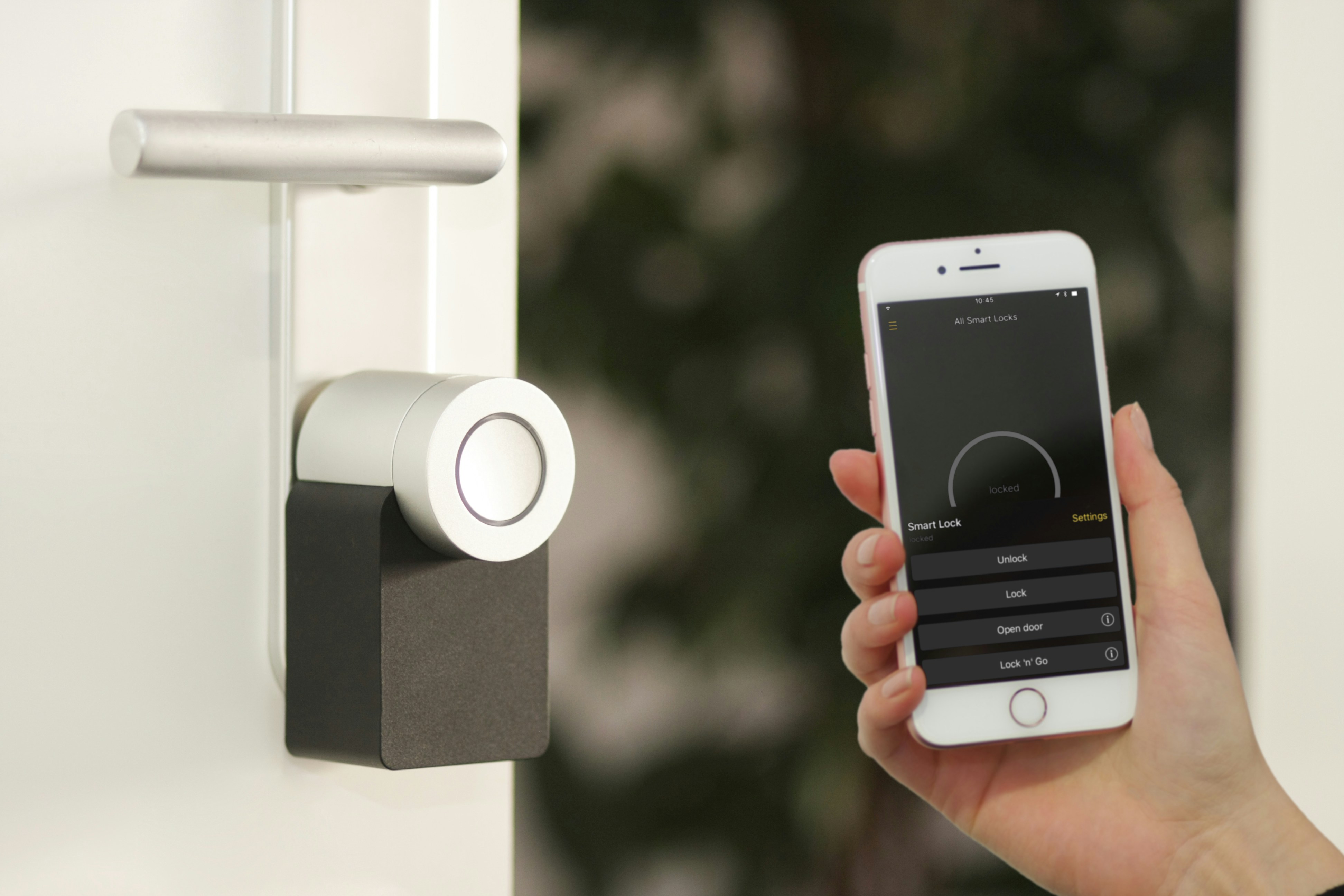
What video doorbell should I choose for my UK home?
Video doorbells have become the most popular home security device in the UK. Selection guide:
- Resolution: minimum 1080p, 1536p recommended for clear facial identification
- Power: wired (existing doorbell wiring) or battery (4-6 months between charges)
- Field of view: 150-180 degrees to see packages on the ground
- Storage: cloud subscription (GBP 3-8/month) or local (chime module with microSD)
Ring, Eufy, and Google Nest are the leading brands in the UK market. Battery-powered doorbells are easier to install but miss events during re-recording delay. Wired doorbells provide 24/7 recording. UK GDPR compliance applies if your doorbell films public spaces — the ICO has issued enforcement notices to Ring users whose cameras intrude on neighbours' privacy. Use privacy zones to mask neighbouring property. Package detection is a useful feature for monitoring deliveries in UK homes.
What should I know about doorbell for UK homes?
Access control systems for UK homes range from simple intercoms to sophisticated IP video entry. Options:
- Audio intercoms: two-way speech, door release (GBP 50-200)
- Video intercoms: see who is at the door before opening (GBP 100-500)
- IP video entry: app-controlled, integrate with security system (GBP 200-1,000)
- Biometric entry: fingerprint or face recognition, keyless convenience (GBP 150-500)
For UK homes, video intercoms with app control provide the best combination of convenience and security. IP video entry systems let you see and speak to visitors from anywhere via your phone. Wired intercoms are more reliable than wireless but require cabling. Wireless video intercoms (Ring Elite, Door Station) are easier to retrofit. For flats, video entry integrates with the communal door release system. Access control systems should work during power cuts (battery backup) and allow manual entry as a fallback. The UK's emerging smart building standards increasingly specify IP-based access control.
What type of alarm system does my UK home need?
Security lighting is one of the most cost-effective UK home security measures. Options and guidance:
- PIR floodlights: motion-activated, 700-2000 lumens, GBP 15-50, simple installation
- Dusk-to-dawn: on all night, 300-800 lumens, provides continuous illumination
- Smart lighting: app-controlled, programmable schedules, integrates with alarm system
- Solar lighting: no wiring, lower brightness, unreliable in UK winter
PIR floodlights with LED bulbs are the most effective for UK homes. Position at corners of buildings to illuminate two sides. Avoid triggering on passers-by — angle the PIR sensor to limit detection to your property. Dusk-to-dawn security lights on garage and garden buildings ensure continuous overnight illumination. Smart lights that simulate occupancy patterns are effective deterrents when you are away. For front gardens, warm-white lighting (3000K) is more welcoming and neighbour-friendly than harsh cool-white.
Key Takeaways
- For expert home security advice tailored to your UK property, consult a qualified professional.
- Always verify that equipment and installations comply with relevant British Standards and UK regulations.
- Invest in quality materials and professional installation.
- Regular maintenance and testing ensure your system continues to perform as intended.
- Gary Pearce has 15+ years of experience installing these systems across Surrey and the South East.
Related Guides
Written by Gary Pearce. Need professional advice? Get expert advice or call 07830 638 337.
In terms of alarm systems for your UK home, a well-designed system should incorporate both internal and external detectors in line with BS 8418 and EN 50132 standards for effective prevention and deterrence against intruder threats. The key elements include:
Perimeter Protection: Installing motion sensors around the perimeter of your property can help detect any suspicious movement. PIR (Passive Infrared) sensors are a popular choice, typically priced between GBP 20-50 each depending on range and sensitivity requirements.
Internal Detection: For added protection within the home, consider adding door and window contacts or magnetic switches to alert you when access points are breached. These devices usually retail for around GBP 10 per set.
Audible Alarms: A siren or bell box can be installed externally to sound an alarm during a security breach. It's essential that this complies with the relevant standards, such as being EN 50131 certified, and is professionally installed at a suitable location for maximum effectiveness. Prices vary depending on specifications but expect to pay anywhere from GBP 100 upwards.
Control Panel: The 'brain' of your alarm system, it communicates with all devices, sends alerts, and can be monitored by a professional service if desired. A basic panel could start at around GBP 150, while more sophisticated systems capable of remote access via an app may cost several hundred pounds.
Remote Monitoring: To keep watch over your home even when you're away, consider connecting your alarm system to a smart hub or smartphone app for real-time alerts. This feature is typically included with more advanced control panels and can be integrated into existing security setups.
In addition to these components, it's crucial to remember that any CCTV camera installation in the UK must adhere to GDPR guidelines set by the Information Commissioner's Office (ICO). This means ensuring that all recorded footage is processed lawfully, fairly, and in a transparent manner. For example, doorbell cameras should only record images of visitors who are aware they are being filmed and should have clear signage indicating this.
When installing CCTV, consider factors such as camera placement, field of view, resolution, storage options (local or cloud), and whether any public areas will be recorded. Always use privacy zones to mask out neighbouring properties and avoid intrusive filming that could breach data protection laws.
Finally, if you plan to install security lighting for your UK home, remember that smart lights can often integrate with your alarm system for automated activation based on sensor triggers. Floodlights with a lumens output between 700-2000 are effective deterrents when placed strategically around the property perimeter.
For best results and compliance with UK standards and guidelines, it's highly recommended to consult with a certified security installer like myself who can assess your specific needs and design a bespoke solution tailored for your home security requirements.
Article by Gary Pearce — Need help? Call 07830 638 337 or visit our services page