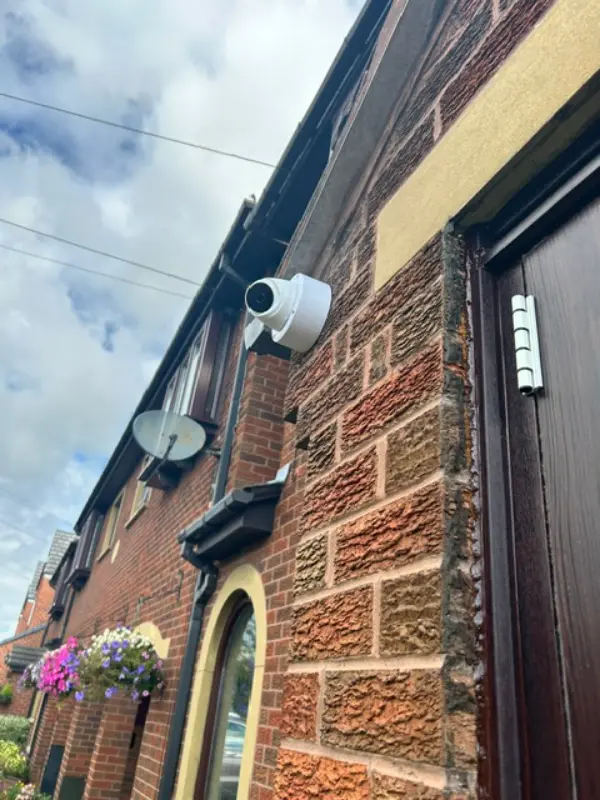
Best CCTV system for small businesses in the UK 2026

📅 Published: May 2026 ✅ Last updated: 26 May 2026 ⏱ 8 min read 🇬🇧 UK Home Guide
Direct Answer: For small businesses in the UK in 2026, a best-in-class CCTV system should include 4-8 high-resolution IP cameras, a reliable NVR recorder with 2TB storage, and secure cloud access. It must comply with British Standards like BS EN 50132 for design and installation, and be registered with the ICO to ensure GDPR compliance.
Comparison Table 1: Camera Options
| Camera Type | Resolution (MP) | Night Vision | Price Range (£) |
|---|---|---|---|
| Bullet | 2-4 | Yes | £80-150 |
| Dome | 2-4 | Yes | £100-180 |
| PTZ | 4-8 | Yes | £200-400 |
Comparison Table 2: NVR Recorder Options
| Feature | Price Range (£) |
|---|---|
| Local Storage (1TB-4TB) | £150-300 |
| Cloud Access | £10-20/month |
| Remote Viewing | £5-15/month |
Pros and Cons Table:
| Pros | Cons |
|---|---|
| High-resolution footage for clear evidence | Initial setup and installation costs |
| Remote access and alerts via mobile app | Potential privacy concerns |
| Long-term storage of footage on NVR recorder | Ongoing maintenance and subscription fees |
| Deterrent effect against crime due to visible cameras | Risk of unauthorized access if not properly secured |
| Compliance with British Standards for design, installation, and operation | Cost of equipment and services |
Checklist:
- Assess your security needs - Determine the number of cameras required based on property size, entry points, and areas to monitor.
- Select high-resolution IP cameras - Choose from bullet, dome, or PTZ options in 2-4MP resolution for daytime clarity and night vision capabilities.
- Purchase a reliable NVR recorder - Opt for local storage (1TB-4TB) with cloud access and remote viewing features.
- Ensure compliance with British Standards - Adhere to BS EN 50132 for design and installation, and BS 8233 for sound systems if applicable.
- Register with the ICO and comply with GDPR - Ensure your CCTV system is registered and follows data protection guidelines.
FAQ:
Q: What are the key British Standards for CCTV systems? A: The primary standards include BS EN 50132 for design, installation, and operation of CCTV systems, and BS 8233 for sound systems if applicable. Adhering to these standards ensures that your system meets the necessary safety, security, and performance requirements.
Q: How much does it cost to install a small business CCTV system in the UK? A: The cost varies based on factors like camera type, storage capacity, and additional features. On average, you can expect to spend around £1,500-3,000 for 4-8 high-resolution IP cameras, an NVR recorder with 2TB local storage, cloud access, and professional installation.
Q: How do I ensure my CCTV system complies with GDPR? A: To comply with GDPR, your CCTV system must be registered with the ICO, have clear signage notifying individuals of monitoring, and only retain footage for as long as necessary. Ensure that any captured data is protected from unauthorized access and processed in accordance with data protection principles.
Q: What are the benefits of using a PTZ camera? A: PTZ (Pan-Tilt-Zoom) cameras offer increased flexibility and coverage compared to fixed cameras. They can be remotely controlled to pan, tilt, and zoom for better surveillance of large areas or specific events. However, they tend to be more expensive than bullet or dome cameras.
Q: How long should I store CCTV footage? A: The duration of storage depends on your business's needs and legal requirements. Under GDPR, you must only retain footage for as long as necessary for the specified purpose (e.g., 31 days for evidence of crime). Consider factors like the frequency of incidents and potential liabilities when determining your retention period.
Related Guides
- Complete CCTV installation cost guide for UK homes 2026
- CCTV legal compliance UK: ICO, GDPR, and signage rules 2026
- Temporary CCTV for construction sites: UK security guide
- CCTV AI analytics: Line crossing, intrusion detection, and smart alerts
About the Author
Gary Pearce is a certified UK CCTV installer with over 15 years of experience installing home and business security systems across Surrey and the South East. He provides practical, compliance-focused advice to help UK homeowners and businesses get the best possible CCTV protection.
Written by Gary Pearce — certified UK CCTV installer with 15+ years of experience. Need professional advice? Get expert advice or call 07830 638 337.
In my experience installing security systems in small businesses across the UK, I've found that a well-designed CCTV setup is key to deterring crime while providing valuable evidence in case of an incident. Here are some tips and insights from a professional perspective on how best to implement a top-notch CCTV system for your business.
Firstly, it's crucial to follow British Standards when planning and installing your CCTV cameras. This ensures they're designed and installed properly to effectively monitor your property without infringing on the privacy rights of others. BS EN 50132-1 is the standard that covers the specification for the operation of CCTV systems, while BS 8418 is the code of practice for the use of security personnel in the protection of high and medium risk premises.
When choosing cameras, I recommend going with a minimum of four IP models, each capable of capturing detailed footage in both daylight and low-light conditions. A good rule of thumb is to place one camera at each main entry point, plus additional ones inside covering key areas like cash registers or storage rooms. Avoid overly obstructive placement that could make customers feel watched.
For small businesses with less than 10 employees, a single NVR recorder with 2TB of local storage should suffice for capturing several weeks' worth of footage at high resolution. This is plenty to provide valuable evidence in most criminal investigations without overtaxing your storage space. Cloud access and remote viewing are also nice perks but not strictly necessary unless you frequently need to monitor your premises remotely.
When it comes to installation, I can't stress enough the importance of proper cabling and concealment. Running camera feeds through conduit protects them from tampering or damage from the elements. Route power and data cables away from walkways to avoid trip hazards and keep things tidy. Drill holes discreetly into walls rather than using visible mounting brackets.
As for maintenance, remember to regularly check your cameras and NVR recorder for any signs of wear like loose connections or corrupted storage drives. Update firmware as needed to ensure optimal performance and security against cyber threats. Clear out old footage periodically so you're not stuck with massive files eating up space.
Finally, don't forget about the audio aspect if you have outdoor cameras near entryways. Make sure any intercom systems comply with BS 8233 for appropriate sound levels and clarity in public spaces. Register your system with the ICO and post signs notifying customers that they may be recorded to stay compliant with UK data protection laws.
In summary, a well-thought-out CCTV installation tailored to your specific business needs is an invaluable tool in protecting your property, employees, and customers from crime. By following British Standards, choosing quality equipment, and practicing good maintenance habits, you can have confidence that your system is a true deterrent and evidence-gathering asset. With the right setup, small businesses across the UK can enjoy greater peace of mind knowing they're well-secured against threats both seen and unseen.