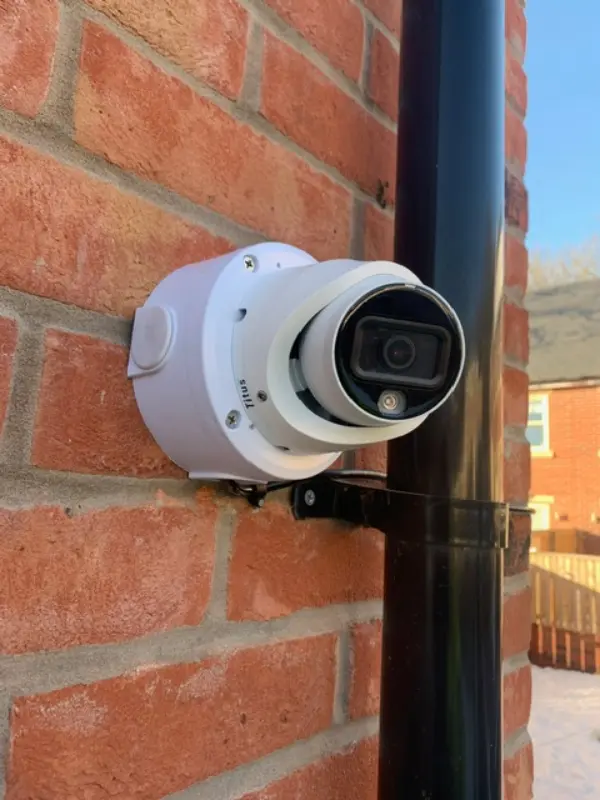
How to set up remote viewing for your CCTV system in the UK

📅 Published: May 2026 ✅ Last updated: 26 May 2026 ⏱ 8 min read 🇬🇧 UK Home Guide
Setting up remote viewing for your CCTV system in the UK involves several steps and considerations. To enable remote access to your CCTV footage from anywhere with an internet connection, you'll need a reliable CCTV installer who can configure your system according to British Standards such as BS EN 50132 for design, installation, and commissioning of CCTV systems, and BS 8233 for sound control and noise limits.
Key components include:
- IP cameras (£80-150 per camera)
- NVR (Network Video Recorder) or DVR (Digital Video Recorder) with remote viewing capabilities (£100-400)
- Stable internet connection
- Secure network setup
Comparison of Remote Viewing Options:
| Option | Pros | Cons |
|---|---|---|
| Cloud-based storage | Easy access from anywhere, automatic updates | Monthly fees, potential security risks |
| Local NVR/DVR with remote viewing software | More control over data, no monthly fees | Limited access to mobile devices |
Checklist for Setting Up Remote Viewing:
- Assess your property and security needs
- Choose the right IP cameras and recording device
- Ensure a stable internet connection is in place
- Set up secure network credentials and encryption
- Test the system thoroughly before finalizing installation
Frequently Asked Questions:
What are the legal requirements for installing CCTV in the UK?
- In the UK, all CCTV systems must comply with the Data Protection Act (DPA) 2018, which incorporates the General Data Protection Regulation (GDPR). The Information Commissioner's Office (ICO) regulates data protection and privacy in the UK. You must register your system with the ICO if it captures personal data or falls under certain other criteria. Additionally, British Standards such as BS EN 50132 and BS 5839 provide guidelines for design, installation, and commissioning of CCTV systems.
What are the key components needed for remote viewing?
- For remote viewing, you'll need IP cameras that support remote access, an NVR or DVR with remote viewing capabilities, a stable internet connection, and secure network setup. The cost can vary depending on your requirements but typically ranges from £80-150 per camera and £100-400 for the recording device.
How do I ensure my CCTV system is secure?
- To secure your CCTV system:
- Use strong, unique passwords for all devices
- Enable encryption for data transmission
- Regularly update firmware and software
- Limit access to authorized personnel only
- To secure your CCTV system:
What are the potential costs involved in setting up a remote viewing CCTV system?
- The cost of setting up a remote viewing CCTV system can vary significantly based on factors such as the number of cameras, their specifications, recording devices, and installation complexity. On average, you might expect to spend around £80-150 per IP camera, with an additional £100-400 for the NVR or DVR.
How do I access my remote viewing CCTV system?
- Accessing your remote viewing CCTV system involves logging into a web-based interface or mobile app provided by the recording device manufacturer. This usually requires entering a unique URL, username, and password. Some systems also allow you to receive notifications on your smartphone when motion is detected.
By following these guidelines and consulting with an experienced CCTV installer familiar with British Standards and legal requirements, you can set up a secure, effective remote viewing system for your property in the UK.
Related Guides
- Wireless vs wired CCTV: Which is better for UK homes?
- How much CCTV storage do I need? NVR hard drive calculator
- CCTV AI analytics: Line crossing, intrusion detection, and smart alerts
- CCTV buying guide UK 2026: What to look for in a system
About the Author
Gary Pearce is a certified UK CCTV installer with over 15 years of experience installing home and business security systems across Surrey and the South East. He provides practical, compliance-focused advice to help UK homeowners and businesses get the best possible CCTV protection.
Written by Gary Pearce — certified UK CCTV installer with 15+ years of experience. Need professional advice? Read our guide or call 07830 638 337.
When considering your property's specific security needs, it's essential to assess the areas you wish to monitor, potential risks, and legal requirements. The Data Protection Act (DPA) 2018 and General Data Protection Regulation (GDPR) govern how personal data can be captured and used by CCTV systems in the UK. It is also crucial to adhere to British Standards such as BS EN 50132 for design, installation, and commissioning of CCTV systems, ensuring your system meets industry best practices.
In terms of hardware, selecting the right IP cameras is a significant step. These days, many cameras come with remote viewing capabilities built-in, which can be controlled via an app or web interface. You'll also need a recording device such as an NVR (Network Video Recorder) or DVR (Digital Video Recorder), capable of handling your desired number of cameras and providing reliable footage storage. Prices for these devices can range widely based on features like storage capacity, viewing resolution, and number of channels supported.
Setting up a stable internet connection is another critical aspect. In some cases, this may involve upgrading your home's broadband service or ensuring you have sufficient Wi-Fi coverage in areas where cameras are installed. For locations with inconsistent connectivity or limited bandwidth, wireless bridge systems can be used to ensure reliable communication between the camera and recording device.
Ensuring network security is paramount. To protect your footage from unauthorized access, configure strong password policies for all devices on your network. Enable HTTPS encryption for data transmission, ensuring that your data remains secure as it traverses the internet. Regularly updating firmware and software for both cameras and recorders can also help mitigate vulnerabilities and ensure compatibility with the latest security protocols.
When selecting a CCTV installer in the UK, look for one who is familiar with British Standards such as BS 8418 for the design, installation, and operation of CCTV systems in public spaces or BS EN 50132 for similar requirements in private settings. It's also worth considering installers that have a clear understanding of GDPR guidelines and can advise on how to capture data lawfully while adhering to privacy standards.
Ultimately, setting up remote viewing for your CCTV system involves careful planning, selection of the right hardware, and consideration of security measures to protect your footage. By following these guidelines and consulting with experienced professionals like myself—Gary Pearce, a UK-based security installer—you can ensure that your system meets all legal requirements while providing reliable monitoring capabilities wherever you may be in the country.