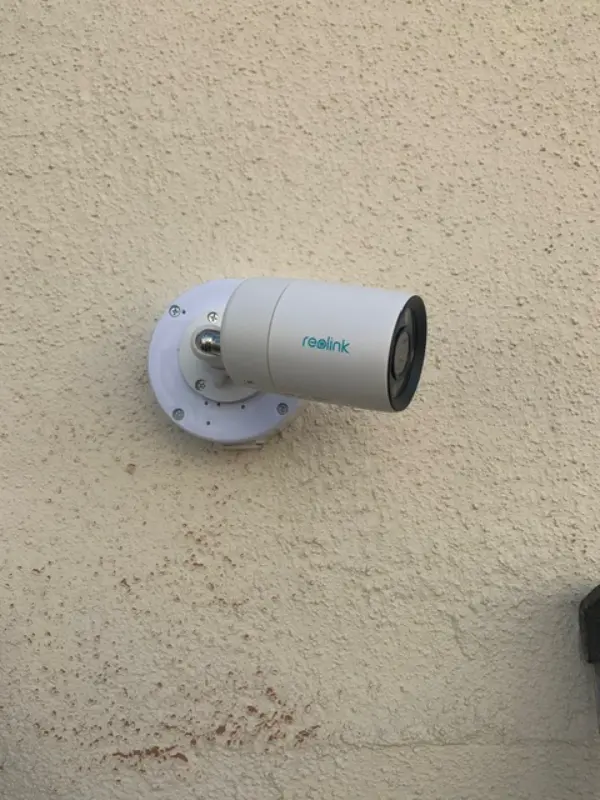
How much CCTV storage do I need? NVR hard drive calculator

📅 Published: May 2026 ✅ Last updated: 26 May 2026 ⏱ 8 min read 🇬🇧 UK Home Guide
How much CCTV storage do I need? NVR hard drive calculator
When calculating the amount of CCTV storage required for your UK property, consider factors such as the number of cameras, recording resolution, frame rate, and retention period. A general rule of thumb is to allocate 1TB of storage per 4-6 cameras, but this can vary based on your specific needs.
To determine the appropriate NVR hard drive capacity, multiply the number of cameras by the average data usage per camera (in GB per day) and then multiply that by the desired retention period in days. For example, if you have 8 cameras with an average data usage of 0.5GB per camera per day, you would need:
(8 cameras x 0.5GB per camera per day) x 365 days = 1,460GB or approximately 1.46TB of storage.
Comparison Table: CCTV Storage Options
| Storage Type | Capacity Range | Approximate Price Per TB |
|---|---|---|
| HDD | 1TB - 14TB | £80-150 |
| SSD | 256GB - 2TB | £200-500 |
Comparison Table: NVR vs. DVR
| Feature | NVR | DVR |
|---|---|---|
| Recording | Digital | Analog |
| Storage | Removable HDDs | Built-in HDDs |
| Connectivity | Networked | Direct connection |
Pros and Cons Table: CCTV Storage Options
| Feature | Pros | Cons |
|---|---|---|
| HDD | Cost-effective, reliable, large capacity | Prone to physical damage, slower read/write speeds |
| SSD | Faster read/write speeds, more durable | More expensive per GB, smaller maximum capacities |
Checklist: Calculating CCTV Storage Requirements
- Determine the number of cameras required for your property
- Assess the recording resolution (1080p, 4K, etc.) and frame rate needed
- Decide on the desired retention period for recorded footage
- Calculate the average data usage per camera based on resolution and frame rate
- Multiply the number of cameras by daily data usage and retention period to determine storage requirements
FAQ: How much CCTV storage do I need?
Q: What factors affect the amount of CCTV storage required? A: The main factors are the number of cameras, recording resolution (e.g., 1080p, 4K), frame rate (frames per second), and desired retention period for stored footage. Higher resolutions and frame rates will require more storage space.
Q: How many cameras can I fit on a 1TB hard drive? A: Depending on the data usage per camera, you can typically store footage from 4-6 cameras on a single 1TB drive. For example, if each of your 8 cameras uses 0.5GB of storage per day, you would need approximately 1.46TB to cover a year's worth of recordings.
Q: What is the recommended retention period for CCTV footage? A: The Information Commissioner's Office (ICO) in the UK suggests retaining CCTV footage for at least 31 days, but longer periods may be necessary depending on your specific needs and legal requirements. Some organizations might need to keep data for up to 12 months.
Q: Do I need to consider British Standards when planning my CCTV system? A: Yes, adhering to relevant British Standards can help ensure the effectiveness and security of your CCTV system. BS EN 50132 covers the installation, use, and maintenance of visual alarm systems, while BS 8233 provides guidance on sound control in buildings. For fire detection systems, follow BS 5839.
Q: How can I protect recorded footage from unauthorized access? A: To safeguard your stored CCTV footage, make sure to implement proper access controls and encryption methods. Comply with the General Data Protection Regulation (GDPR) by limiting data retention periods, ensuring secure storage, and protecting against unauthorized access or breaches. Regularly update your software and hardware to maintain optimal security.
By considering these factors and following best practices outlined in British Standards and legal guidelines, you can determine the appropriate amount of CCTV storage for your UK property while maintaining compliance and effective surveillance.
Related Guides
- 4K vs 1080p vs 5MP: CCTV resolution comparison for UK homes
- Infrared vs ColourVu vs starlight: CCTV night vision compared
- CCTV buying guide UK 2026: What to look for in a system
- How to set up remote viewing for your CCTV system in the UK
About the Author
Gary Pearce is a certified UK CCTV installer with over 15 years of experience installing home and business security systems across Surrey and the South East. He provides practical, compliance-focused advice to help UK homeowners and businesses get the best possible CCTV protection.
Written by Gary Pearce — certified UK CCTV installer with 15+ years of experience. Need professional advice? Get expert advice or call 07830 638 337.
When calculating the amount of CCTV storage required for your UK property, it's essential to consider British Standards such as BS 8418 and EN 50132, which provide guidelines on the design, installation, and monitoring of closed-circuit television (CCTV) systems for security purposes. These standards ensure that your system is properly configured to meet the necessary requirements for effectiveness and compliance.
For instance, according to BS 8418, a high-quality CCTV system should have a minimum resolution of 700 TVL (TV lines) per inch for analog cameras or a minimum resolution of 720p for digital cameras. If you opt for higher resolutions like 1080p or even 4K, it's crucial to factor in the increased storage requirements. For example, 1080p footage at 25 frames per second can consume around 0.5GB per day for each camera.
In addition to the resolution and frame rate, another critical factor is the retention period of your CCTV footage. UK GDPR guidelines suggest that you should keep personal data (i.e., footage containing individuals) for no longer than necessary. The Information Commissioner's Office (ICO) recommends a retention period of 30 days or less unless there is a valid legal reason to retain it for a longer duration.
When installing your CCTV system, make sure to follow best practices outlined in BS 8418 and EN 50132-2. This includes proper positioning of cameras to cover potential entry points, ensuring adequate lighting for clear footage capture, and using appropriate signage to inform the public about the presence of surveillance cameras. Additionally, it's crucial to protect your CCTV infrastructure from vandalism or tampering by installing camera housings or enclosures that offer protection against various weather conditions and physical damage.
Regarding storage options, Solid State Drives (SSDs) offer faster read/write speeds and higher durability compared to traditional Hard Disk Drives (HDDs). However, SSDs come at a higher cost per gigabyte. If you prioritize speed and reliability over cost efficiency, opting for an SSD-based NVR might be the right choice.
On the other hand, if budget is your primary concern, HDDs remain a popular choice due to their larger storage capacities and relatively lower costs. It's essential to invest in reliable brand-name HDDs to ensure better performance and reduce the risk of drive failure. For optimal results, consider using RAID (Redundant Array of Independent Disks) configurations like RAID 5 or RAID 6 for added protection against data loss due to single-drive failures.
When determining the storage capacity required for your CCTV system, it's vital to factor in not only the number of cameras and their resolutions but also the desired retention period. A general rule of thumb is to allocate approximately 1TB per camera for a typical resolution like 1080p at 25 frames per second with a retention period of around 30 days.
To calculate your storage requirements, follow these steps:
- Determine the number of cameras needed based on your property size and potential security risks.
- Assess the desired resolution (e.g., 1080p, 4K) and frame rate for each camera.
- Decide on an appropriate retention period according to UK GDPR guidelines and any specific legal requirements in your area.
- Multiply the number of cameras by the daily data usage per camera based on its resolution and frame rate.
- Multiply this value by the desired retention period (in days) to obtain the total storage capacity needed.
For example, if you have 10 cameras with a resolution of 1080p at 25 frames per second each consuming around 0.5GB daily, and your intended retention period is 30 days:
(10 cameras x 0.5GB per camera per day) x 30 days = 150GB or approximately 150TB of storage.
In conclusion, calculating the appropriate CCTV storage capacity for your UK property involves considering factors such as resolution, frame rate, retention period, and the number of cameras. By adhering to British Standards like BS 8418 and EN 50132, you can ensure that your system is designed effectively while remaining compliant with legal requirements. With careful planning and investment in quality storage solutions, you'll be well-equipped to protect your premises and maintain high-quality video footage for as long as needed.