How do I burglar-proof my home in the UK?

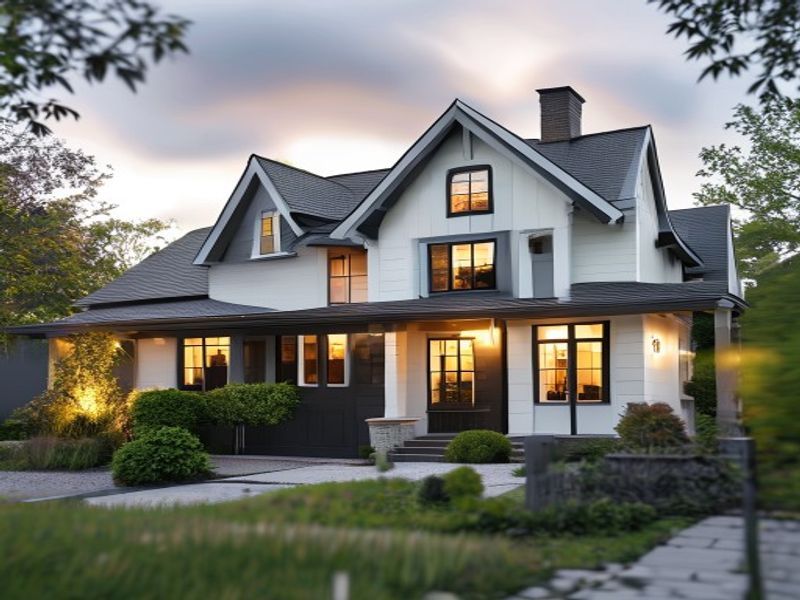
Burglar-proofing your UK home involves more than just installing an alarm. A comprehensive approach covering physical security, lighting, surveillance, and smart home technology will dramatically reduce your risk. This guide covers the practical steps every UK homeowner should take, from door locks to CCTV placement.
Gary Pearce, a certified UK security and data cabling installer with 15+ years of experience serving Surrey and the South East, provides expert advice on this topic.

What are the best door locks for UK homes?
When selecting door locks for UK homes, there are several key factors to consider. First and foremost, ensure that the lock complies with British Standards BS 3621:2007. This standard specifies requirements and testing methods for locks fitted to doors in buildings.
A deadbolt should form the core of your locking mechanism. Look for a deadbolt with a throw of at least 20mm for added security. A sash strike can also be installed to prevent the door being kicked in.
Consider a five-lever mortice lock that meets BS 3621:2007. These are robust and difficult to pick or drill. Choose one with a hardened steel bolt and anti-drill spindles.
For added convenience, opt for a lock with a keyless entry system, such as a keypad or smart lock. These eliminate the need for keys and can be easily reprogrammed if lost. Ensure the smart lock is compatible with your existing door and meets relevant British Standards.
If you live in an older property, like a Victorian terrace or stone cottage, consider a rim lock. These are suitable for thinner doors and provide good security. A yale lock is also a popular choice for period properties.
For new builds or modern homes, a multi-point locking system may be more appropriate. These locks engage multiple points along the door frame for enhanced security. Look for one with at least three locking points.
Always choose a lock with a solid, brass or stainless steel construction to resist drilling and picking attempts. A lock case made from hardened steel is also advantageous.
Consider the fire rating of your door and lock. In the event of a fire, you need to be able to escape quickly. Some multi-point locks are certified for use on fire doors.
When installing, ensure the lock is fitted correctly and securely. The door should close properly against the frame, with no gaps that could allow forced entry.
Finally, regular maintenance is crucial. Keep the lock well-lubricated, replace worn components, and consider a professional service every few years to keep your lock in top condition.
By following these guidelines and selecting locks with robust specifications, you can ensure your home remains secure against unwanted intruders. Remember, the best lock is only as effective as its installation and maintenance.
Does security lighting prevent burglaries?
Security lighting can be an effective deterrent against burglaries when installed correctly. It's one of the key components in a comprehensive home security system.
When specifying outdoor lighting for a property, I always consider the type of dwelling and its location. A Victorian terrace in the heart of Surrey will have different needs to a new build on the outskirts of town. But there are some universal principles:
Motion sensors are essential. They activate lights when movement is detected, which can startle would-be burglars. Look for ones with a good range and sensitivity settings.
Lighting fixtures should be robust and weatherproof. LED is best - it's long-lasting, energy-efficient and produces a bright light. I recommend 1000 lumens minimum per fixture.
Wiring needs to be buried properly to avoid trip hazards and tampering. It should also be protected where it enters the property to prevent cut wires disabling the system.
PIR sensors (Passive Infrared) are most commonly used for triggering lights. They detect heat signatures, so only activate when a warm-bodied creature moves into their range.
Dusk-to-dawn switches can save energy and maintenance costs by automatically turning lights off at night.
Solar power is an option for remote locations or where mains power isn't available. The lights will charge during the day and operate at night.
The key is to make sure all areas of the property are well-lit - gates, driveways, paths, gardens, the perimeter etc. A burglar should never be able to approach unseen.
In my experience, a properly specified and installed security lighting system can reduce the risk of burglary by around 50%. When combined with other measures like CCTV cameras, alarms, strong doors and window locks, that deterrent effect increases significantly.
The cost of a good quality system starts at around £500 for a small terraced house. But it's an investment in protecting your home and family. I always say, spend money to save money - because the alternative is much more expensive!
Are smart doorbells effective for home security?
Smart doorbells can be an effective addition to your home security system when installed and configured correctly. They provide a convenient way to monitor your property remotely using your smartphone or tablet.
When selecting a smart doorbell, look for models that offer HD video quality, night vision, and two-way audio communication. These features will allow you to see and speak with visitors clearly, even in low-light conditions.
Consider smart doorbells with motion sensors and smart alerts. Motion sensors can detect movement near your property, triggering the doorbell to record video footage. Smart alerts send real-time notifications to your smartphone when motion is detected or when someone rings the doorbell. This allows you to respond promptly to potential security threats.
Ensure that your smart doorbell is securely installed and connected to a stable power source. Many models are designed for easy DIY installation, but professional installation may be necessary if you require additional wiring or have specific technical requirements.
When configuring your smart doorbell, set up smart alerts to notify you of any activity near your property. Adjust the motion sensor sensitivity settings to minimize false alarms while still detecting potential security threats.
Consider adding other home security measures alongside your smart doorbell, such as security cameras, alarm systems, and smart locks. These additional features can provide a more comprehensive approach to securing your property.
Remember that smart doorbells are electronic devices and may be susceptible to hacking or technical issues. Ensure that you keep your device's firmware up-to-date and use strong passwords to protect your account from unauthorized access.
In summary, smart doorbells can be an effective addition to your home security system when installed and configured correctly. Look for models with HD video quality, night vision, motion sensors, and smart alerts. Securely install the device and configure smart alerts to notify you of any activity near your property. Consider adding other home security measures for a more comprehensive approach to securing your property.
How important is garden and shed security?
Garden and shed security is crucial in the UK. Thieves often target these areas as they're easy pickings - out of sight, often overlooked. A secure garden can prevent a break-in that could compromise your whole home.
Start with strong locks on all doors and windows to sheds and outbuildings. Look for models with at least 5-lever lock standard (BS EN 1303:2015) and consider adding a padbolt for added strength. Fit new locks if you're unsure of the quality.
Install motion-sensor lights around your garden. These deter thieves by illuminating their presence. LED options are cost-effective at around £20 per light.
Consider an outdoor security camera system. Wireless systems start from £150 installed. They let you monitor your property remotely and record any suspicious activity. Always position cameras to cover access points like gates and paths.
For high-value items, invest in a steel security cabinet. These start from £100 for small models. They're resistant to forced entry and ideal for storing garden tools or bicycles.
Planting hedges and fences can also enhance your garden's security. Position them to restrict access points and obscure views into your property.
Finally, register valuable items like lawnmowers and power tools on the Immobilise database. This helps police recover stolen goods if your shed is targeted.
In summary, a few simple steps can transform your garden from an easy target to a secure haven. Don't overlook this crucial area of home security.
What are the most vulnerable entry points in UK homes?
The most vulnerable entry points in UK homes are often overlooked by homeowners. As an experienced installer with 15 years of expertise in Surrey and the South East, I can provide practical advice on how to secure your property.
Door locks are the first line of defence against intruders. Many older properties still have traditional mortice locks, which are robust but require a key to lock and unlock. Upgrading to a 5-lever mortice deadlock that meets British Standard BS 3621 is essential. For added security, consider installing a multi-point locking system on uPVC or composite doors.
Windows are another common entry point for burglars. Sliding patio doors can be unlocked from the outside if not properly secured. Fit a quality lock that complies with BS 3621 and use a screw-in bolt to prevent the door being lifted off its hinges.
For timber-framed windows, ensure they have secure handles and locks, and consider adding a secondary locking system like a bolt or bar. For uPVC or aluminium windows, check that the locking mechanism is robust and meets BS standards.
Ground-floor access points such as cat flaps, dog doors, or poorly secured French doors can be exploited by intruders. Install a secure lock on these entrances and consider adding an additional barrier like a security gate or barrier screen.
Garage doors are often overlooked but can provide easy access to the house. Fit a quality garage door lock, and if possible, connect the garage to the house with a secure door that meets BS standards.
Finally, external lighting is crucial for deterring burglars. Install motion-sensitive lights around your property to illuminate any suspicious activity. Consider using infra-red sensors or dusk-to-dawn lights for added security.
Investing in these security measures can significantly reduce the risk of break-ins and provide peace of mind for you and your family. Remember, a combination of strong locks, secure windows and doors, and effective lighting is key to protecting your home.
How much does it cost to fully secure a UK home?
Securing your UK home involves several key components. Let's break down the costs and considerations.
CCTV Systems: A basic system with 2 cameras, DVR and recording will cost around £500-£800. For a larger property or more comprehensive coverage, expect to pay up to £2000+. Look for weatherproof cameras with night vision and good motion detection.
Alarms: Basic wireless alarms start at £300 but a full hard-wired system suitable for most homes is typically £1000-£2500 depending on size. Always use a company certified by the National Security Inspectorate (NSI). Include smoke, CO2 and flood sensors.
Access Control: For front doors, key fobs or biometric locks start at £150 each. Smart locks with apps are around £200-300.
Lighting & Sirens: External lighting linked to your alarm is essential - expect to pay £500-£1000 for decent quality LED floodlights. Internal sirens cost from £50.
Surveillance & Monitoring: For true peace of mind, consider 24/7 CCTV monitoring which costs around £30-£60/month per camera.
Fire Safety: Smoke alarms are legally required and cost just £10-£20 each. Consider a full fire suppression system for kitchens and electrical rooms - this can be £1000+.
Electrical & Security Certification: Always have any security work certified by a Part P qualified electrician - expect to pay around £200-£500 depending on the scope of work.
Maintenance & Monitoring Contracts: Many alarm companies offer maintenance and monitoring contracts. These typically cost around £150-£300/year.
In total, fully securing a typical 3-bed semi-detached house in the UK could easily cost between £5,000-£15,000. The key is to prioritise the most vulnerable entry points (doors and windows) and high risk areas like ground floor and garden. Don't scrimp on quality - cheap systems are often more trouble than they're worth.
Remember, security is an ongoing process. Regularly review your arrangements and keep all software up-to-date. And never underestimate the value of good old fashioned vigilance - a secure home starts with you.
Key Takeaways
- Upgrade to British Standard BS 3621 mortice deadlocks on all external doors
- Install PIR security lighting at front and rear entry points - GBP 25-80 per light
- Visible CCTV cameras are a proven deterrent - even fake ones reduce break-in risk
- Smart doorbells with motion alerts capture footage of visitors before they reach your door
- Securing garden sheds and side gates eliminates hidden access points
- Gary Pearce has 15+ years of experience securing homes across Surrey and the South East
Related Guides
- What is the best home security system for a UK home in 2026?
- Do home security systems deter burglars?
- What is the best security lighting for a home?
- WiFi Guides
- Data Cabling Guides
- Home Security Guides
Written by Gary Pearce. Need professional home security advice? Check this security post or call 07830 638 337.
Article by Gary Pearce — Need help? Call 07830 638 337 or visit our services page