What is the best home security system for a UK home in 2026?

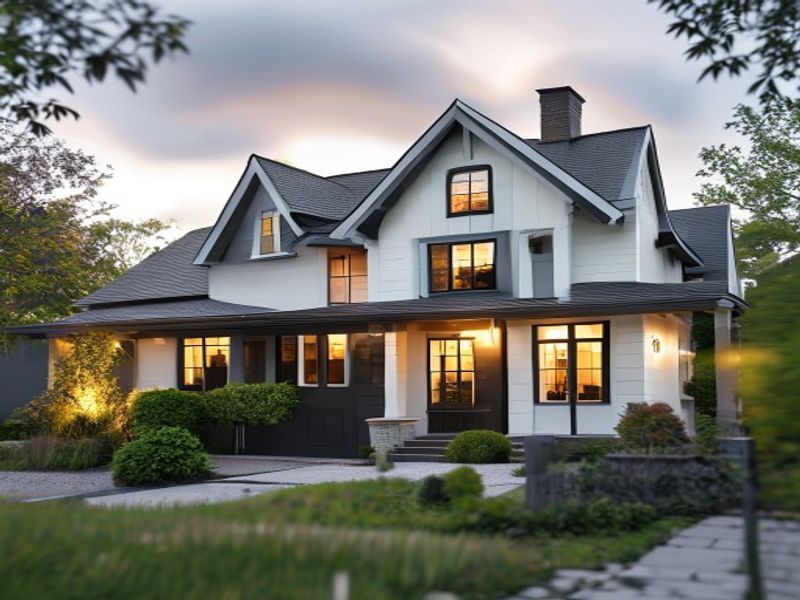
Choosing the best home security system for your UK property depends on your home layout, budget, and whether you want professional monitoring or a DIY setup. In 2026, the options range from simple smart alarms to fully integrated systems with CCTV, smart locks, and 24/7 monitoring. This guide helps you compare the options and choose what fits your needs.
Gary Pearce, a certified UK security and data cabling installer with 15+ years of experience serving Surrey and the South East, provides expert advice on this topic.

What types of home security system are available in the UK?
There are several types of home security systems available in the UK. The most common include:
Burglar alarms: These can be either hard-wired or wireless and typically consist of motion detectors, door and window sensors. Alarms can be monitored by a professional company or left unmonitored with a siren to deter intruders.
CCTV systems: Closed-circuit television cameras allow you to monitor your property remotely via an app on your smartphone or tablet. Systems range from basic single-camera setups to multi-camera, high-definition recording systems with night vision and motion detection alerts.
Smart home security systems: These integrate various security features like alarms, CCTV, doorbell cameras, and smart locks into a single system that can be controlled via an app. Many also include home automation features like lighting control and thermostat adjustment.
Access control systems: These secure entry points by requiring a code, biometric data (like fingerprints), or a key fob to unlock doors. They can be installed on both external entrances and internal doors leading to valuable areas of the property.
Perimeter security: This includes features like gates with electric locks, barriers that prevent vehicles from entering, and lighting around the perimeter of your property to deter intruders.
Smoke and carbon monoxide detectors: These are essential for home safety and can be integrated into a central alarm system or monitored by a professional company.
When selecting a security system, consider factors like:
- Ease of use: The system should be easy to operate, especially in an emergency.
- Reliability: Choose systems from reputable brands with good customer support.
- Installation: Consider whether you want to install the system yourself or hire a professional installer. Professional installation often includes monitoring services and warranty coverage.
- Maintenance: Some systems require regular maintenance to ensure they remain effective.
Budget is also a key consideration. Basic burglar alarm systems can start at around £500, while more advanced smart home security systems with multiple cameras, access control, and home automation features can cost upwards of £2,000.
It's essential to consult with a professional installer who can assess your specific property and needs to recommend the most appropriate system. They will also ensure that the installation complies with UK regulations and standards.
Should I choose a DIY or professionally installed security system?
When deciding between a DIY or professionally installed security system in the UK, there are several factors to consider. Both options have their advantages and disadvantages, but ultimately, the decision comes down to your specific needs, budget, and level of technical expertise.
DIY Security Systems: Wireless technology has made DIY systems more accessible and affordable than ever before. These systems often come with user-friendly apps that allow you to control and monitor your home security from your smartphone or tablet. DIY systems can be a cost-effective solution, with prices starting at around £150 for a basic kit.
However, DIY systems may lack the advanced features and customization options available with professionally installed systems. They also require you to handle the installation process yourself, which can be time-consuming and potentially lead to mistakes if you're not familiar with home security systems.
Professionally Installed Security Systems: A professionally installed system offers greater peace of mind, as the work will be carried out by trained professionals who understand UK building codes and have experience working with various property types, from Victorian terraces to new builds. These systems can include advanced features such as smart locks, intruder alarms, CCTV cameras, and even home automation capabilities.
The initial cost of a professionally installed system will be higher than a DIY option, starting at around £500 for a basic package. However, the investment may be worth it for the added security and convenience features. Additionally, many professional installation companies offer monitoring services, which can provide an extra layer of protection.
Consider your property type when choosing between DIY or professionally installed systems. For example, a Victorian terrace might require more complex wiring and customization than a new build semi-detached home. A stone cottage may have unique architectural features that could impact the installation process.
Ultimately, if you value convenience, advanced features, and professional installation, a professionally installed security system may be the best choice for your UK home. However, if you're on a tight budget or prefer to handle the installation yourself, a DIY system can still provide adequate protection.
What is the best smart alarm system for UK homes?
When selecting the best smart alarm system for your UK home, there are several key factors to consider. First and foremost, ensure that the system you choose is compliant with British Standard BS 8243, which outlines requirements for intruder alarms installed in dwellings. This will guarantee that your system meets the necessary safety and performance standards.
Next, consider the type of detection devices included in the alarm system. For most UK homes, a combination of wireless door and window sensors, PIR (Passive Infrared) motion detectors, and perhaps glass break detectors would be appropriate. These should cover common entry points such as doors, windows, and ground-floor access points.
Smartphone connectivity is another essential feature for modern alarm systems. Look for a system that allows you to remotely arm and disarm your alarm using a smartphone app, receive real-time alerts on your phone in the event of an alarm activation, and even control other smart home devices like lights or thermostats through the same app.
Battery backup is crucial to ensure your alarm continues to function even during power outages. The system should have a built-in rechargeable battery that can keep the alarm operational for several days if needed.
For added security, consider installing external siren speakers and/or internal strobe light indicators. These will provide audible and visual alerts in the event of an activation, potentially deterring intruders and alerting neighbours.
When it comes to installation, opt for a system that is relatively easy to install and configure yourself if you're handy with tools. However, if you prefer a professional installation, ensure that the company providing the alarm system has experience installing systems in UK homes and can provide references from satisfied customers.
Finally, consider your budget. While there are many high-end smart alarm systems available, it's possible to find good quality systems starting at around £300 for a basic kit. Keep in mind that you may need to factor in additional costs for professional installation, external siren speakers, and other optional features.
In summary, when choosing the best smart alarm system for your UK home, look for one that is BS 8243 compliant, includes wireless door and window sensors, PIR motion detectors, smartphone connectivity, battery backup, and optional external sirens and internal strobe lights. Consider your budget and installation preferences, and don't be afraid to shop around and compare different options before making a final decision.
How much does a home security system cost in the UK in 2026?
When it comes to home security systems in the UK in 2026, there are several factors that will influence the overall cost. The price of a comprehensive system can range from £1,500 to over £10,000 depending on the specific needs and requirements of your property.
For a typical Victorian terrace house, you might expect to pay around £2,500 for a basic system that includes burglar alarms, CCTV cameras, and smart locks. This would be suitable for most standard properties in urban areas.
However, if you have a larger property such as a new build or semi-detached home with more windows and potential entry points, the cost could rise to £5,000 or more. You may also need additional features like smoke detectors, carbon monoxide alarms, and intruder detection systems.
For those living in rural areas or stone cottages, you might require more advanced systems that can withstand harsher weather conditions and potential animal interference. These could include outdoor-rated cameras, floodlights, and reinforced doors and windows. The cost for such a system would likely be over £10,000.
It's also important to consider the installation process, which can add significant costs to your overall budget. Professional installation by a certified security expert will ensure that all components are properly integrated and functioning optimally.
When shopping for a home security system in 2026, look for systems that include the following features:
- Burglar alarms: These can be either monitored or unmonitored, but monitored systems offer greater peace of mind.
- CCTV cameras: High-definition cameras with night vision and motion detection capabilities are ideal.
- Smart locks: Keyless entry systems that can be controlled via smartphone apps or key fobs.
- Fire and smoke detectors: These should be interconnected so that if one detects a fire, they all trigger an alarm.
- Carbon monoxide detectors: Essential for properties with gas appliances like boilers or fires.
In addition to these features, consider investing in a system that offers remote monitoring capabilities, allowing you to keep an eye on your property from anywhere using your smartphone or tablet. This can provide added reassurance and enable faster response times if any issues arise.
Ultimately, the cost of your home security system will depend on factors such as the size and location of your property, the features you require, and whether you opt for professional installation. By researching reputable providers and investing in a comprehensive system with the right specifications, you can ensure that your home is well-protected against potential threats in 2026 and beyond.
Do UK insurers offer discounts for security systems?
Yes, UK insurers often offer discounts for security systems. Many providers recognise that well-installed home security measures can reduce the risk of burglary and other crimes.
When looking to install a system for this reason, consider features like:
- Intruder alarms - Both wired and wireless options are available. Look for systems with police-approved Grade 2 or Grade 3 certification.
- CCTV cameras - Choose weatherproof models with night vision. Consider adding motion sensors to record only when needed.
- Smart locks - Keyless entry via app, keypad or key card can be more secure than traditional locks.
Discuss your options with a qualified installer who can advise on the best solutions for your property type and budget. For example:
- A Victorian terrace may benefit from discreet wireless sensors and smart door locks
- New build homes could incorporate hardwired alarms into the construction phase
- Semi-detached or stone cottages might need weatherproof CCTV and durable door and window sensors
Installation costs vary but a basic system starts around GBP 500. More advanced setups with multiple cameras, smart home integration and monitoring can cost several thousand pounds.
When speaking to insurers, provide details of the specific products and features you've installed. They'll likely offer discounts of between 5-20% on your premiums.
Remember, while security systems are a deterrent, they're no substitute for good local knowledge, strong doors and windows, and being vigilant about suspicious activity in your neighbourhood.
In summary, investing in home security is a wise move that can save you money on insurance and potentially protect your property from crime. Work with an experienced installer to find the right solution for your needs.
What is the best integrated home security system for 2026?
For a comprehensive home security system in 2026, consider an integrated solution that combines multiple layers of protection. Key components should include:
Smart alarms: Look for systems with wireless communication between sensors and the control panel. Wi-Fi or Zigbee protocols are best for range and reliability. Install motion detectors, door/window contacts, and glass break sensors on all entry points.
Video surveillance: Integrate IP cameras with high-resolution night vision. Position them to cover blind spots and access points. Use cloud storage for footage backup.
Remote monitoring: Choose a system that allows remote viewing and control via smartphone app. This enables you to check in on your property and disarm the alarm remotely.
Fire and gas detection: Install smoke, heat, and carbon monoxide detectors throughout the home. These should trigger both local alarms and alert the monitoring service.
Backup power supply: Ensure the system has a battery backup to maintain functionality during power outages.
Smart locks: Upgrade to keyless entry using codes, biometrics, or mobile app control. This allows secure access for guests while keeping keys from getting lost or stolen.
Lighting and automation: Integrate smart lights and thermostats to create the illusion of occupancy when you're away. Automate systems like blinds and appliances for added convenience.
When selecting components, prioritize those that are BS EN 50131 certified for security standards compliance. Work with a reputable installer who can assess your property's unique needs and ensure proper installation and setup of the system.
Budget around £2-3k for a comprehensive system suitable for most UK homes, including labor costs. For larger properties or additional features like perimeter alarms, expect to spend up to £5k. Regular maintenance is key - have the system serviced annually by a professional.
In summary, the best integrated home security systems in 2026 will be smart, scalable, and robust. They'll combine multiple layers of protection with easy remote monitoring and management. With proper installation and ongoing maintenance, you can have peace of mind knowing your property is secure.
Key Takeaways
- DIY smart alarm kits from GBP 150-400 offer app control and expandability without contracts
- Professionally monitored systems cost GBP 200-500 installation plus GBP 20-40 monthly fees
- NSI or SSAIB certification matters for insurance-approved monitored systems
- Integrated systems combining alarm, CCTV, and smart locks offer the best protection
- Most UK insurers offer discounts of 5-20% for approved security systems
- Gary Pearce has 15+ years of experience installing home security across Surrey and the South East
Related Guides
- How do I burglar-proof my home in the UK?
- Do home security systems deter burglars?
- What is the best security lighting for a home?
- WiFi Guides
- Data Cabling Guides
- Home Security Guides
Written by Gary Pearce. Need professional home security advice? Browse resources or call 07830 638 337.
Article by Gary Pearce — Need help? Call 07830 638 337 or visit our services page